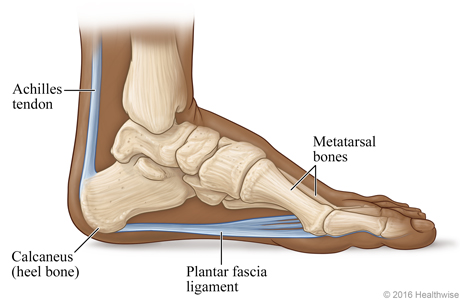
Bunions & Toe Deformities
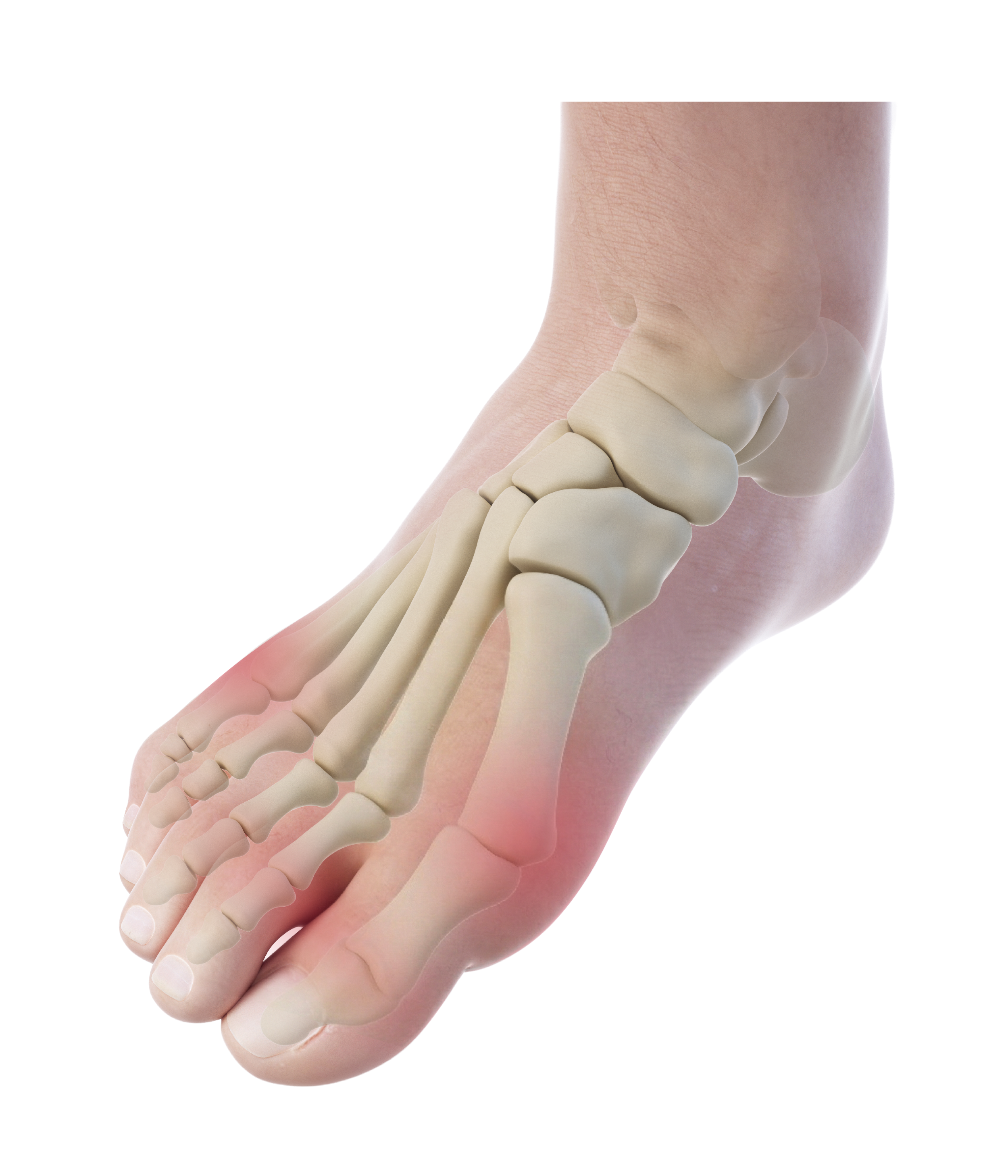
Bunions (hallux valgus) and associated lesser toe deformities represent some of the most frequent forefoot problems managed in foot and ankle practice. As a Consultant Trauma & Orthopaedic Surgeon specialising in this field, I see many patients whose comfort, footwear choices, and athletic performance are compromised by these progressive conditions.
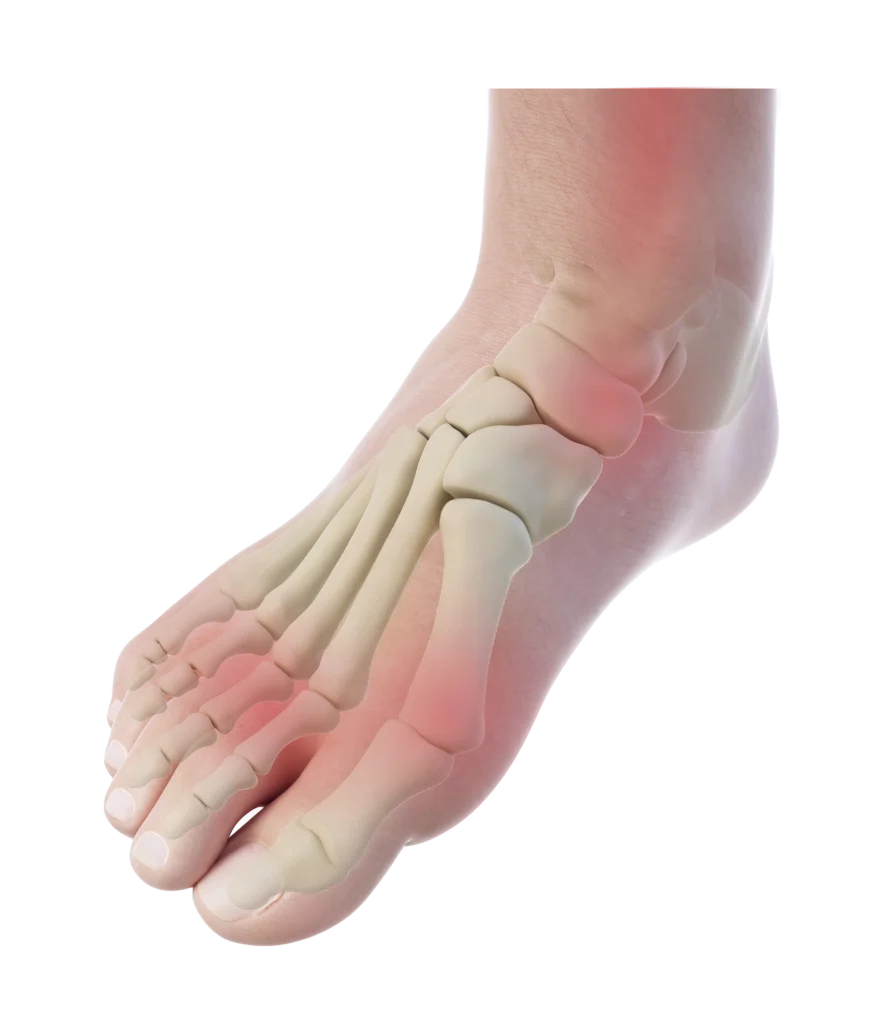
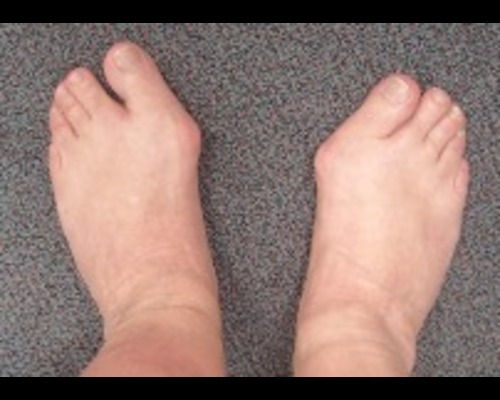
Bunions involve lateral deviation of the great toe with medial prominence of the first metatarsal head, often accompanied by bursitis and secondary arthritis. Lesser toe deformities—such as hammer, claw, or mallet toes—frequently coexist, resulting from muscle imbalance, altered forefoot loading, and metatarsophalangeal joint instability. Patients typically experience pain over the bunion, callosities, difficulty with shoes, and impaired push-off during walking or sport.
These deformities arise from intrinsic biomechanical factors and extrinsic mechanical stressors, leading to progressive malalignment. If left untreated, they may cause worsening pain, transfer metatarsalgia, and secondary joint degeneration. My practice employs detailed clinical assessment and weight-bearing radiographs to evaluate severity and plan care. Modern techniques, including minimally invasive surgery (MIS), now allow precise correction with smaller incisions, reduced soft-tissue trauma, and faster recovery for suitable candidates.
Symptoms
- – Pain and tenderness over the bump, worse with tight shoes
- – Swelling and inflammation around the joint
- – Corns or calluses from toe overlap
- – Limited big toe movement in advanced cases
- – Secondary issues like hammertoes or bursitis
- Causes and Risk Factors
-
Bunions and lesser toe deformities develop through a combination of genetic predisposition and mechanical stressors. Key intrinsic factors include ligamentous laxity, pes planus, and family history. Extrinsic contributors centre on footwear—narrow toe boxes and high heels—that force the toes into abnormal positions.
Additional risks include female sex, increasing age, rheumatoid arthritis, and repetitive forefoot stress in activities such as running, dancing, or football. Biomechanical issues like first-ray hypermobility or equinus contracture accelerate progression and contribute to lesser toe deformities through overload. Early recognition of these modifiable factors is central to slowing advancement.
- Non-Surgical Treatment
-
Non-operative management remains the first-line approach for mild to moderate bunions and lesser toe deformities. This includes wide-fitting shoes with deep toe boxes, bunion pads, toe spacers, and custom orthotics to improve alignment and offload pressure points. Silicone sleeves protect prominent lesser toes, while night splints may help flexible deformities.
Physiotherapy strengthens intrinsic foot muscles and maintains joint mobility. Simple analgesics or targeted injections address bursitis and inflammation. Most patients under my care achieve satisfactory symptom control and remain active without surgery.
- Surgical Operations
-
Surgery is indicated for persistent pain and functional limitation despite conservative care. Techniques range from distal or proximal osteotomies with soft-tissue balancing for bunions to flexor-to-extensor transfers, Weil osteotomies, or proximal interphalangeal joint fusions for lesser toe deformities.
A significant proportion of these procedures can now be performed using minimally invasive surgery (MIS) techniques through small incisions, resulting in less postoperative swelling, reduced scarring, and quicker return to activity. Whether employing traditional open or modern MIS approaches, the focus remains on precise realignment of the first ray, correction of lesser toe deformities, and restoration of normal forefoot mechanics while minimising complications.
- Recovery
-
Recovery is progressive and closely supervised. Non-surgical patients advance with appropriate footwear and orthotics. Post-surgical cases, including those performed minimally invasively, typically use a protective forefoot dressing or surgical shoe for 4–6 weeks.
Swelling is completely normal and the main by product of foot surgery. Early swelling control and mobilisation are encouraged. Physiotherapy then emphasises range-of-motion exercises, scar management, and gradual strengthening. Return to normal walking in a trainer type shoe is usual by 6–8 weeks, with low-impact activities at 8–12 weeks and full sport by 3–6 months, depending on the extent of correction.