Arthritis
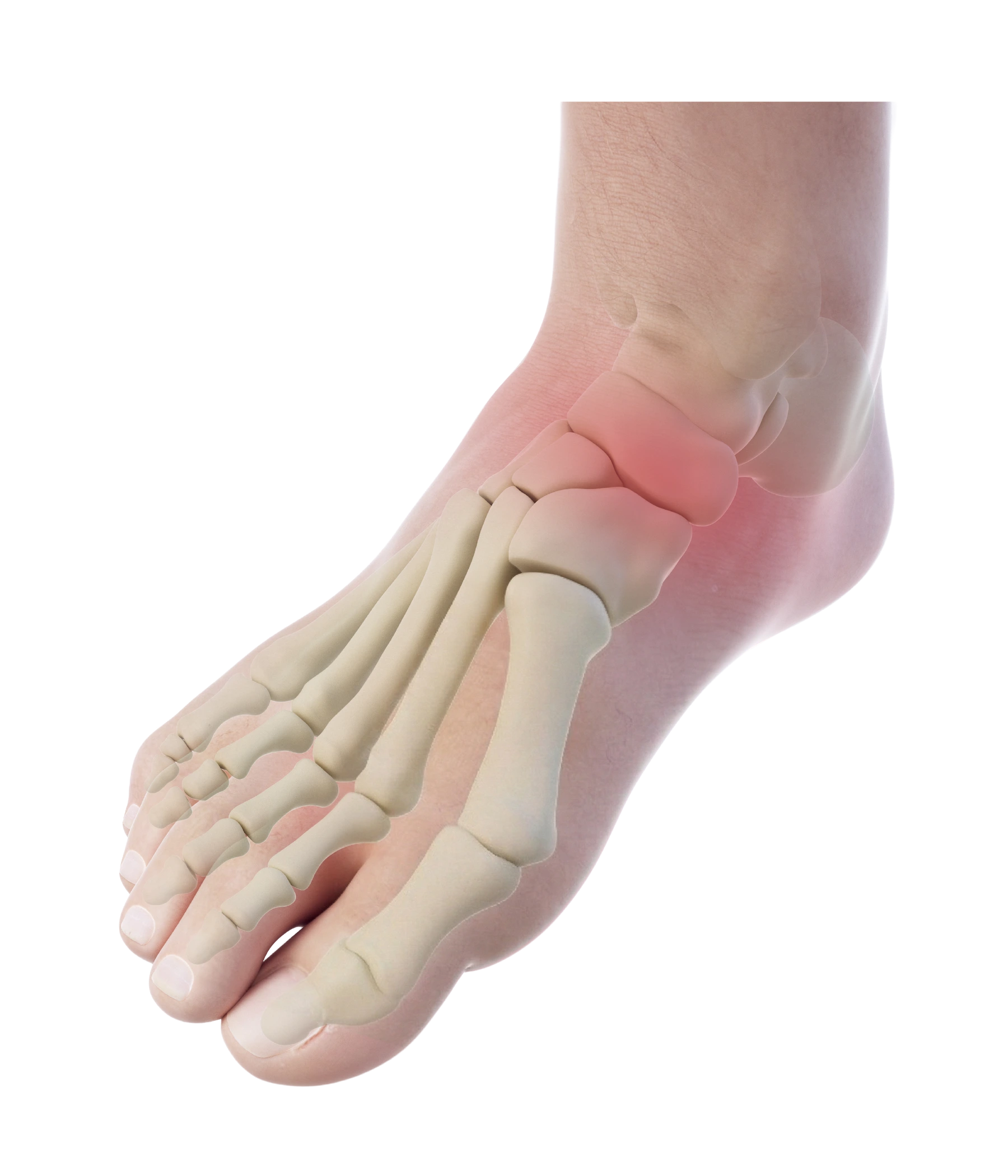
Arthritis of the foot and ankle is a common and often debilitating condition that significantly impairs mobility, balance, and athletic function. As a Consultant Trauma & Orthopaedic Surgeon with a specialist interest in foot and ankle disorders, I manage a substantial number of patients whose quality of life is compromised by progressive joint degeneration.
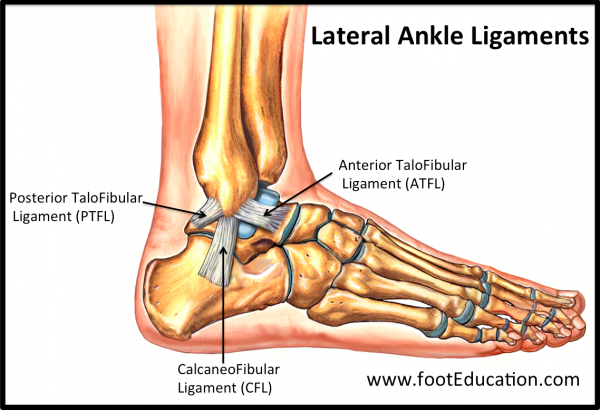
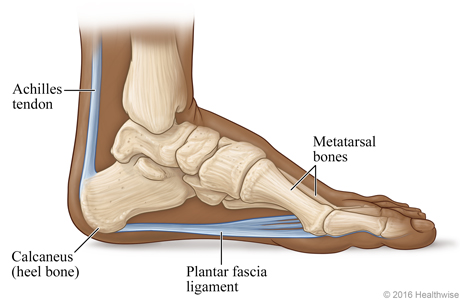
The foot and ankle comprise 26 bones and more than 30 joints that collectively bear body weight and absorb high repetitive forces during sport and daily activity. The principal forms encountered are osteoarthritis (often post-traumatic), rheumatoid arthritis, and other inflammatory arthropathies. Post-traumatic osteoarthritis is particularly prevalent following ankle fractures, ligament injuries, or recurrent sprains, accounting for the majority of cases in athletic populations. Patients typically present with pain, stiffness, swelling, and progressive deformity, which may limit walking distance, uneven terrain tolerance, and sports participation.
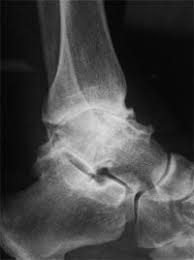
Early accurate diagnosis through clinical assessment, weight-bearing radiographs, and selective cross-sectional imaging is essential. Left untreated, arthritis leads to worsening pain, joint collapse, and secondary compensatory problems in the knee and hip. My practice focuses on individualised care pathways that address both symptoms and underlying biomechanics, aiming to preserve function and delay or avoid major surgery where possible, while offering reliable reconstructive options when required.
Symptoms
- – Pain, often on getting started from rest
- – Swelling and inflammation around the joint
- – Change in shape of foot or ankle
- – Stiffness and reduced movement
- Causes and Risk Factors
-
Arthritis of the foot and ankle most commonly develops through post-traumatic mechanisms, where previous fractures, dislocations, or ligament instability alter joint mechanics and accelerate cartilage wear. Primary osteoarthritis is less frequent in the ankle than in the knee or hip but occurs with advancing age. Inflammatory conditions such as rheumatoid arthritis involve autoimmune-mediated synovial destruction.
Key risk factors include prior ankle or foot injury, obesity, repetitive high-impact activities, malalignment (such as varus or valgus deformity), and genetic predisposition. Additional contributors are inflammatory arthropathies, infection, and certain metabolic disorders. In my experience, athletes with a history of recurrent sprains or inadequately rehabilitated injuries are at particularly elevated risk. Early identification and modification of these factors form a central part of prevention and long-term management.
- Non-Surgical Treatment
-
Non-surgical management is the initial approach for most patients with foot and ankle arthritis. This includes activity modification, weight loss, and supportive footwear with custom orthotics to offload affected joints. Physiotherapy emphasises range-of-motion exercises, strengthening, and gait optimisation. Simple analgesics, non-steroidal anti-inflammatory drugs, and occasional image-guided corticosteroid or viscosupplement injections provide symptomatic relief.
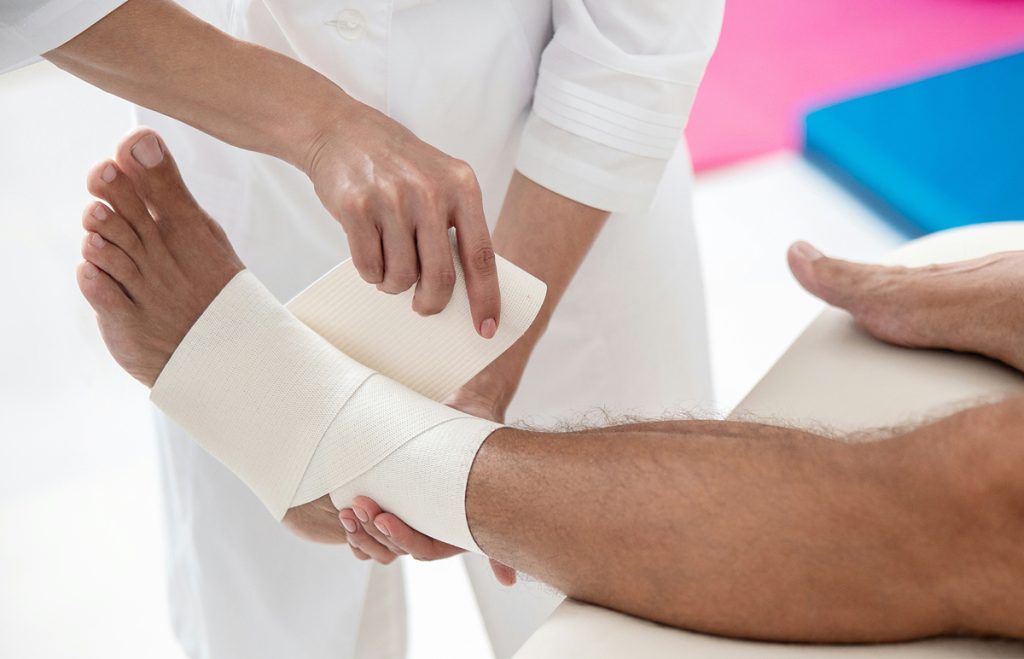
Bracing or ankle-foot orthoses can stabilise unstable joints and reduce pain during weight-bearing. In inflammatory arthritis, disease-modifying medications are coordinated with rheumatology colleagues. The majority of patients under my care achieve satisfactory symptom control and maintained function through these measures, delaying or obviating the need for surgery.
- Surgical Options
-
Surgical intervention is considered when conservative measures no longer provide adequate relief and symptoms significantly impair quality of life. Options range from joint-preserving procedures such as arthroscopic debridement, osteophyte resection, and realignment osteotomies in early disease, to joint-sacrificing techniques including arthrodesis (fusion) or consideration of replacement in advanced cases.
For hindfoot arthritis, selective arthrodesis or triple fusion may be required. Forefoot involvement often responds well to cheilectomy, arthroplasty, or fusion of the first metatarsophalangeal joint. All procedures utilise modern implants and techniques designed to minimise soft-tissue disruption and permit earlier mobilisation. My philosophy is to select the procedure best suited to the patient’s age, activity demands, and overall alignment, with the consistent goal of reliable pain relief and functional restoration.
- Recovery
-
Recovery varies depending on the joints involved and the surgery carried out. Simple surgery such as debridement with arthroscopic techniques, may be fairly quick to recover from. More involved surgery can result in time spent in a cast with no weight on the affected area, followed by gradual return to putting the foot on the floor via walker type boot. It can be 3 months before a normal pair of trainer type shoes is put on again.
It can mean that higher-level activity doesn’t return for 6–12 months following major reconstructions. Regular follow-up ensures optimal healing and addresses any residual stiffness or compensatory issues, aiming for durable, pain-free function.