Ankle Instability
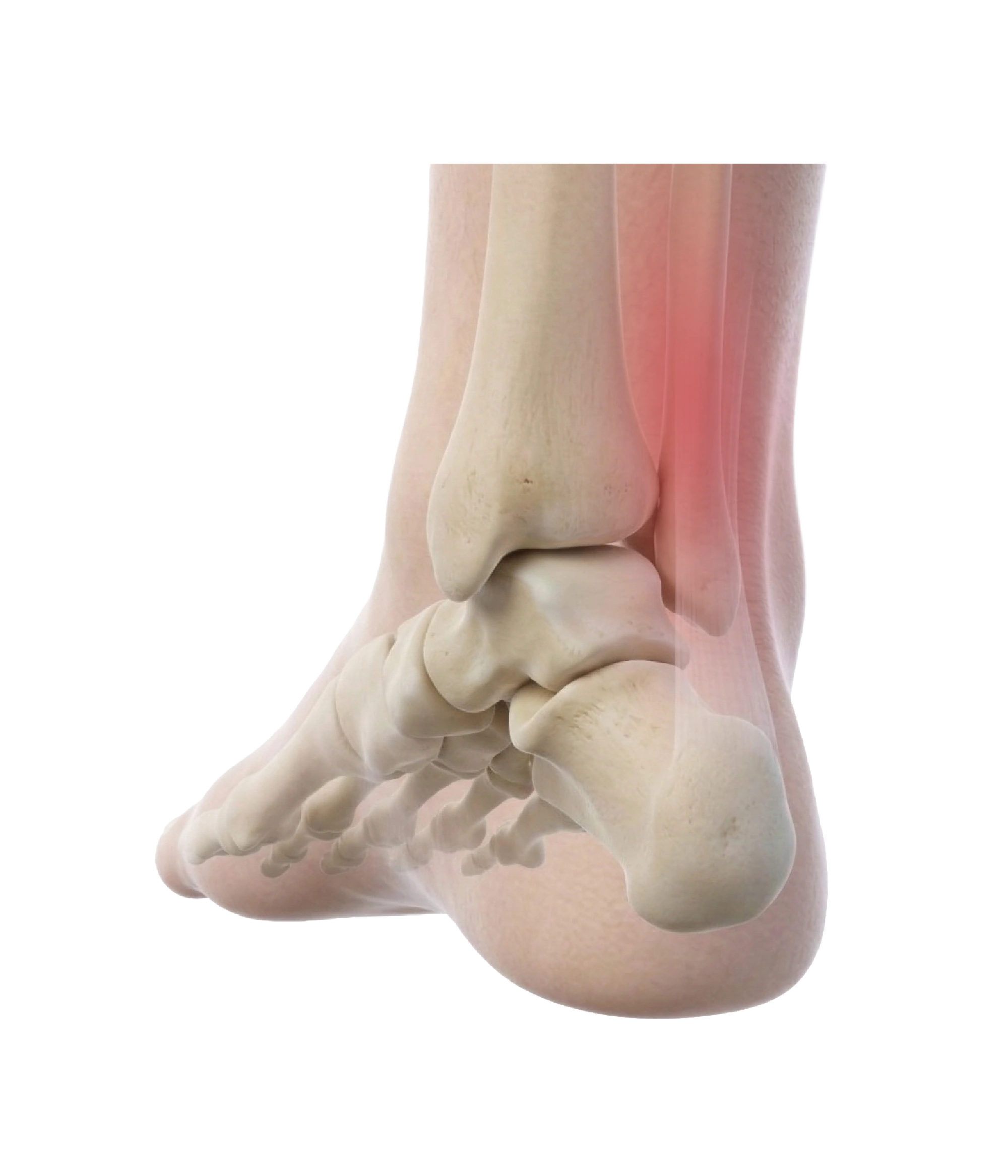
Ankle instability is one of the most common sequelae of sporting injuries and a frequent reason for referral to specialist foot and ankle practice. As a Consultant Trauma & Orthopaedic Surgeon, I manage a high volume of patients, from recreational athletes to elite sportsmen and women, whose performance and confidence are undermined by recurrent giving-way episodes.
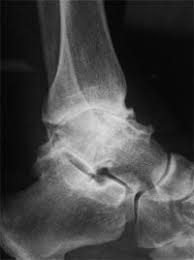
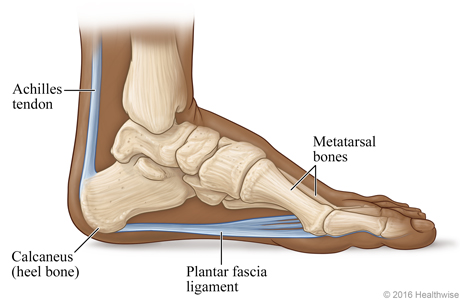
The condition exists in two main forms: functional instability, arising from impaired proprioception and peroneal muscle weakness, and mechanical instability due to ligamentous laxity, most commonly involving the anterior talofibular ligament (ATFL) and calcaneofibular ligament (CFL). Patients typically describe repeated inversion sprains, a sensation of the ankle “giving way” on uneven surfaces, and activity-related pain or swelling. Untreated chronic instability leads to recurrent injury, intra-articular damage, osteochondral lesions, and early post-traumatic arthritis.
High ankle sprains (syndesmosis injuries) are another poorly understood injury, where it is essential to get the right diagnosis and treatment as soon as possible, especially at a high level of sports participation.
My practice employs a structured assessment including clinical stress testing, weight-bearing radiographs, and MRI or ultrasound to differentiate functional from mechanical instability and to identify associated pathology. Early specialist intervention is key to restoring stability, preventing further damage, and returning patients to sport with confidence.
Symptoms
- – Recurrent giving way episodes
- – Persistent or activity related pain
- – Intermittent swelling
- – Reduced confidence and trust in the ankle
- – Tendency for repeated sprains
- Causes and Risk Factors
-
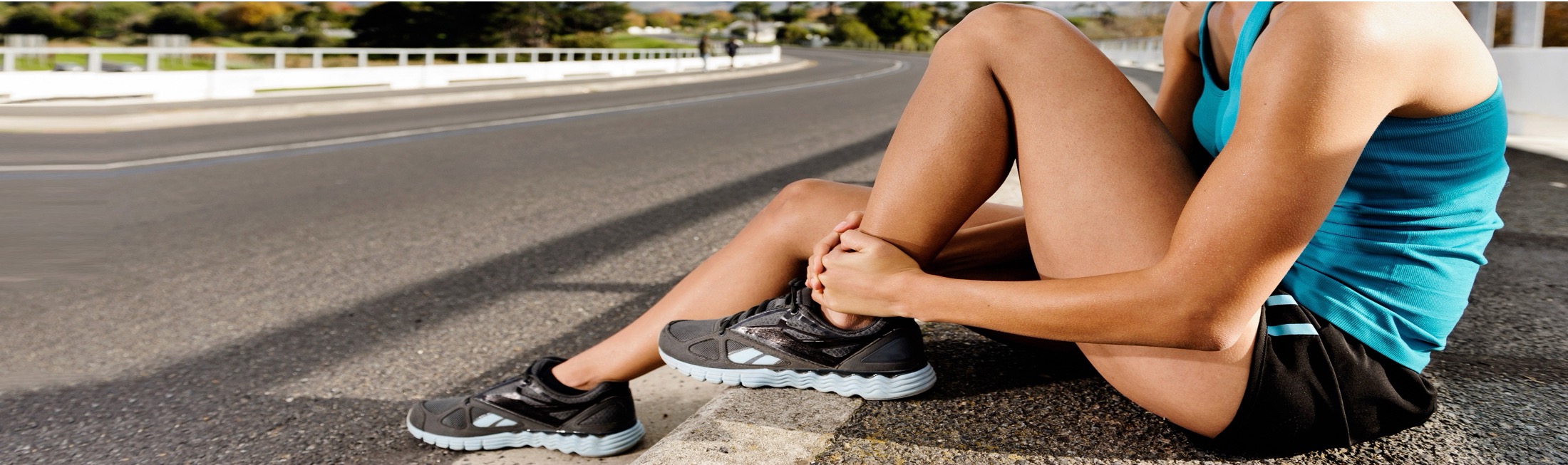
Ankle instability most commonly follows an acute lateral ligament sprain that fails to heal adequately. Risk factors include a history of previous ankle injury, which increases recurrence rates substantially, inadequate or incomplete rehabilitation, and participation in high-risk sports such as football, rugby, basketball, and netball.
Intrinsic contributors include generalised ligamentous laxity, cavovarus foot alignment, peroneal weakness, and proprioceptive deficits. Extrinsic factors encompass poor footwear, training on uneven surfaces, and rapid increases in training intensity. Female athletes and those with a high body mass index are also at elevated risk. In my experience, addressing these modifiable factors early significantly reduces the likelihood of progression from acute sprain to chronic instability.
- Non-Surgical Treatment
-
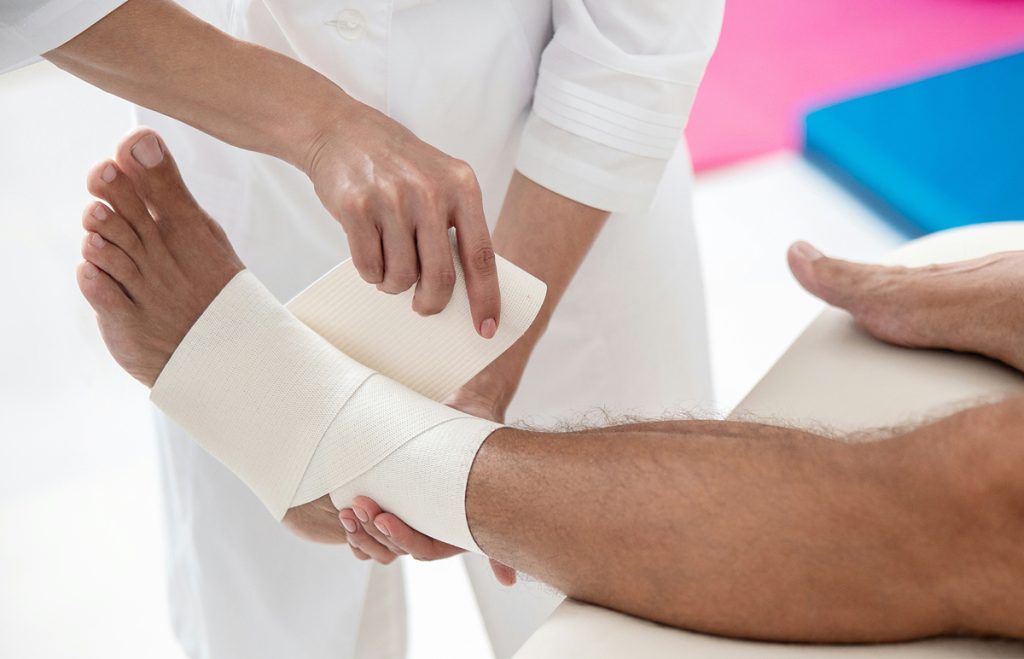
The majority of patients with ankle instability respond well to structured non-operative management. A comprehensive physiotherapy programme focusing on peroneal strengthening, proprioceptive training, and dynamic balance exercises forms the cornerstone of treatment. Taping, functional bracing, or lace-up supports provide external stability during the early rehabilitation phase and return-to-sport period.
Activity modification, footwear optimisation, and custom orthotics to correct underlying alignment issues are valuable adjuncts. Most patients under my care achieve satisfactory functional stability and return to sport without surgery through diligent adherence to a progressive, sport-specific rehabilitation protocol.
- Surgical Options
-
Surgery is indicated for persistent mechanical instability after six months of optimised non-operative care, particularly in athletes unable to return to their desired level of activity. The anatomical Broström-Gould repair, with or without augmentation, remains the gold standard for lateral ligament reconstruction and can often be performed arthroscopically or via minimally invasive techniques, reducing wound complications and accelerating recovery.
In cases with significant tendon involvement or generalised laxity, tendon transfer or synthetic augmentation may be required. Any associated intra-articular pathology is addressed concurrently through arthroscopy. My approach emphasises precise restoration of native anatomy, minimal soft-tissue disruption, and immediate initiation of controlled motion to optimise outcomes.
- Recovery
-
Recovery from ankle instability follows a phased and closely monitored pathway. Non-surgical patients progress from protected bracing to full dynamic loading over 8–12 weeks. Post-surgical cases, including those performed with minimally invasive techniques, typically wear a walking boot for a period weeks to protect the repair while allowing early range-of-motion exercises.
Rehabilitation then advances through gait re-education, proprioceptive training, strengthening, and sport-specific drills. Return to running is dependent of sport of choice and surgery performed. It is generally possible at around 8-12 weeks, with full contact sport at 3–4 months. Regular clinical review ensures safe progression and minimises the risk of re-injury.