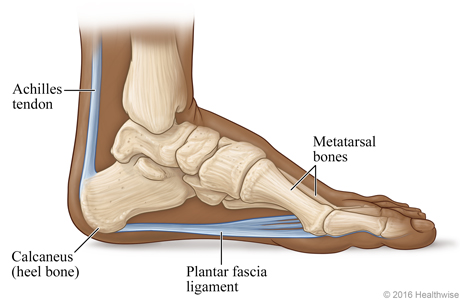
Achilles Tendon
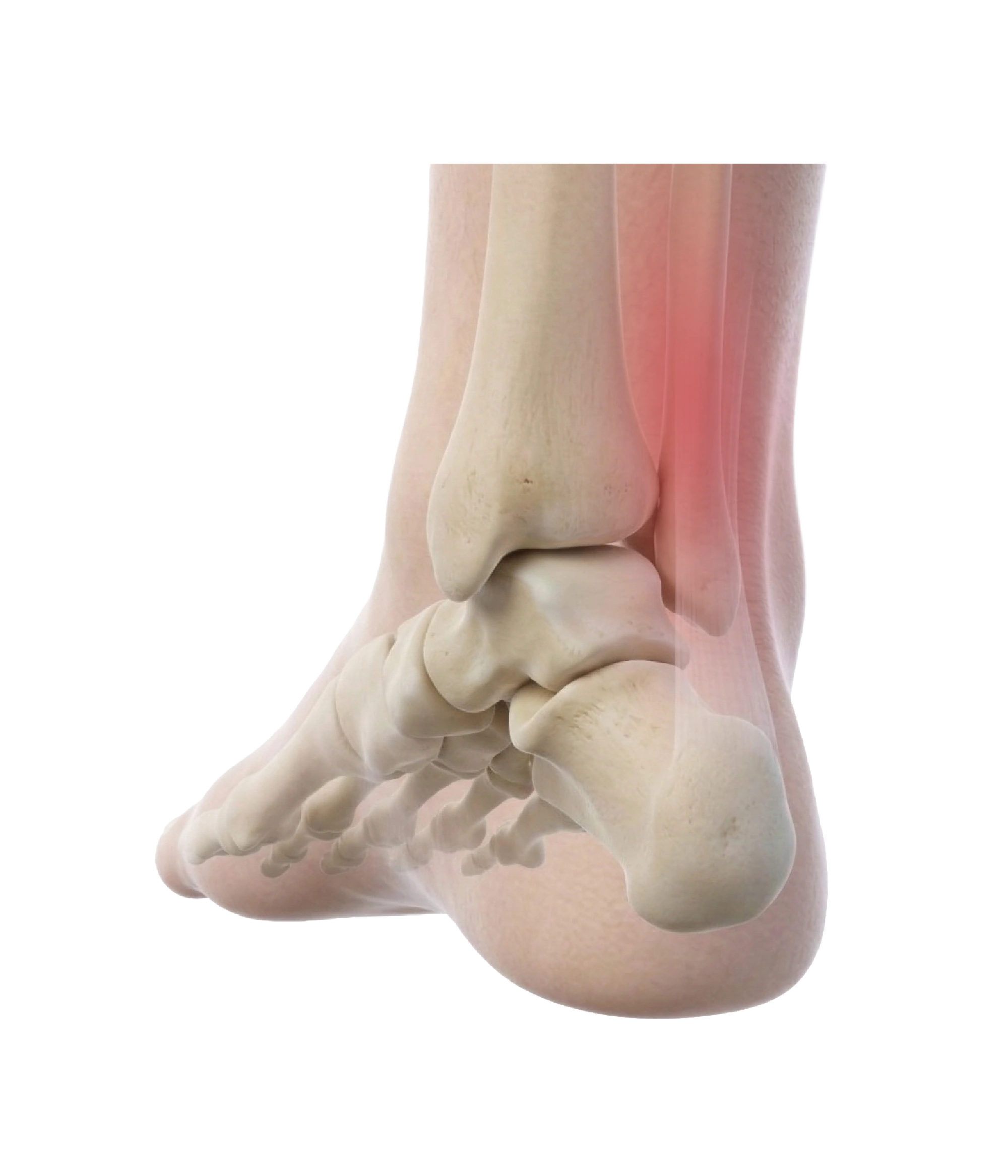
Achilles tendon disorders represent one of the most common and challenging overuse injuries in both recreational and elite athletes. As a Consultant Trauma & Orthopaedic Surgeon specialising in foot and ankle surgery, I manage a high volume of these conditions, which can profoundly affect push-off strength, running economy, and overall athletic performance.
The Achilles tendon, the largest and strongest in the human body, transmits forces exceeding six times body weight during running and jumping. Disorders exist on a spectrum: acute ruptures, mid-portion tendinopathy, insertional tendinopathy, and paratendinopathy. Mid-portion tendinopathy is particularly prevalent in runners, footballers, and tennis players, while insertional pathology is more common in older athletes or those with Haglund’s deformity.
These conditions arise from repetitive microtrauma exceeding the tendon’s capacity for repair, leading to degenerative changes, neovascularisation, and pain. Prompt specialist assessment is essential, as untreated or recurrent Achilles pathology frequently results in prolonged absence from sport and, in rupture cases, significant functional deficit. My practice combines detailed clinical evaluation, dynamic ultrasound, and MRI when indicated, with tailored treatment pathways designed to restore tendon integrity and return patients to their chosen sport at the highest possible level.
Symptoms
- – Severe pain in the Achilles or back of the heel
- – Swelling and inflammation around the Achilles
- – Pain worst first thing in the morning getting up
- – Having to decrease favourite activities such as running or the gym
- – A feeling of being kicked in the back of the leg (RUPTURE)
- Causes and Risk Factors
-
Achilles tendon disorders are predominantly overuse injuries driven by repetitive loading. Key extrinsic factors include sudden increases in training volume or intensity, inadequate warm-up, training on hard surfaces, and poor footwear with insufficient heel cushioning or support. Intrinsic risk factors encompass age over 30, male sex, obesity, tight gastrocnemius-soleus complex, ankle equinus, and systemic conditions such as diabetes or fluoroquinolone use. Biomechanical abnormalities including hyperpronation or leg-length discrepancy further elevate risk. A previous history of Achilles pain or rupture is a strong predictor of recurrence. In my experience, identifying and modifying these factors early is fundamental to successful management and prevention.
- Non-Surgical Treatment
-
The cornerstone of Achilles tendon disorder management remains non-operative. For mid substance tendinopathy, an initial 12-week programme of heavy, slow, eccentric loading (Alfredson protocol) or modified progressive loading yields excellent results in the majority of patients. Activity modification, heel raises within supportive shoes or boots, and extracorporeal shockwave therapy (ESWT) are valuable adjuncts. For acute ruptures in low-demand individuals, functional bracing in a Vacoped walking boot allows tendon healing while permitting early controlled motion. Physiotherapy emphasises calf strengthening, proprioception, and gradual return to sport-specific loading.
- Surgical Options
-
Surgery is, in my opinion, the optimal treatment in acute complete ruptures, in active individuals seeking optimal functional recovery. The biggest risk with surgery is wound problems, and meticulous soft tissue handing is key. For chronic mid-portion tendinopathy, many facets are involved including ultrasound-guided hydrodilatation by the radiologists, or ultimately ending in surgery in very stubborn cases, where all else has failed. Insertional disease requires excision of bony spurs, retrocalcaneal bursectomy, and reattachment of the tendon with anchors, frequently combined with a Haglund resection. All procedures are followed by a structured, phased rehabilitation protocol. My aim is reliable restoration of tendon length and strength with minimal complications, allowing return to high-level sport.
- Recovery
-
Recovery from Achilles tendon disorders is phased and closely supervised. Non-surgical cases typically progress from protected loading in a Vacoped boot (10-12 weeks) to full weight-bearing and eccentric strengthening. Post-surgical patients follow a similar protected phase in a Vacoped Boot for 8-10 weeks, with early range-of-motion exercises to prevent adhesions. Rehabilitation then advances through gait retraining, isokinetic strengthening, plyometrics, and sport-specific drills. Return to running is usually possible at 5-6 months, with full competitive sport at 9 months depending on injury severity. Regular clinical and imaging review ensures safe progression and minimises re-rupture risk.